


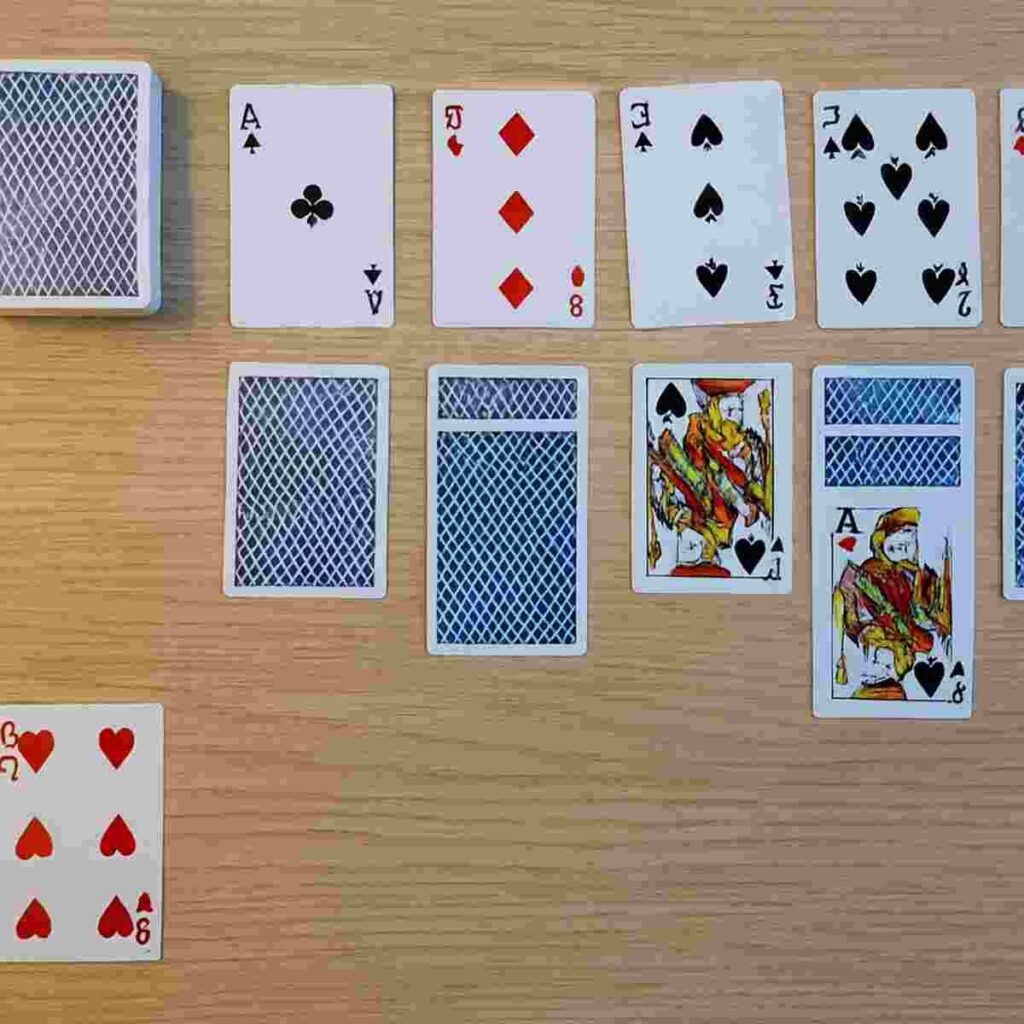
Before you dive into designing your hero card game, it’s essential to understand the basics of card games. These games typically involve a deck of cards with different characters, abilities, and powers. Players use these cards to battle against each other, often aiming to defeat their opponent by reducing their health points to zero or achieving a specific objective. To find more, check on Login baginda189
What Makes a Great Hero Card Game?
A great hero card game combines strategy, creativity, and excitement. It should offer players a sense of adventure and the opportunity to craft unique strategies while being engaging and fun. Think about popular games like My Hero Academia card game or Magic: The Gathering. These games captivate players with their intriguing characters and diverse strategies.
The Role of Strategy
Strategy is at the heart of any compelling hero card game. Players should be able to develop their own approaches to victory, whether through careful resource management, predicting opponents’ moves, or crafting powerful card combinations. A game that offers multiple paths to victory will keep players returning for more.
Creativity in Design
Creativity not only enhances the game’s appeal but also differentiates it from others on the market. Unique themes, innovative mechanics, and imaginative card designs can significantly enhance the player’s experience. Think about how you can incorporate unexpected elements or twists that will surprise and delight your players.
Ensuring Excitement
Excitement is essential in maintaining players’ interest. This can be achieved by introducing rare, powerful cards, unexpected plot twists, or dramatic game-ending moves. The anticipation of drawing a game-changing card or the thrill of a last-minute comeback can create memorable gaming moments.
Designing Your Game
Now that you have a basic understanding of what makes a hero card game, let’s dive into designing your own.
Step 1: Conceptualize Your World
Start by imagining the world your game will take place in. Is it a futuristic city, a magical realm, or a dystopian future? Consider the theme and setting. The theme will influence the design of your cards and the types of heroes and villains that inhabit your game world.
Choosing a Theme
Your theme is the cornerstone of your game, shaping every element from character design to gameplay mechanics. Consider what inspires you: perhaps it’s a world of high fantasy with dragons and sorcerers or a gritty cyberpunk city with hackers and megacorporations. A strong theme will guide your creative choices and provide a cohesive experience for players.
Defining the Setting
Once you’ve settled on a theme, flesh out the setting. This involves creating a backstory for your world, detailing its history, culture, and conflicts. Understanding the world your characters inhabit will help you design cards that feel authentic and immersive. Consider how the environment influences your characters’ abilities and roles in the game.
Creating a Unique Atmosphere
Your game’s atmosphere is the feeling it evokes in players. Through artwork, storytelling, and mechanics, create an emotional connection with players. Whether it’s a sense of wonder, tension, or mystery, a distinct atmosphere will make your game memorable and engaging. Use visual and narrative elements to immerse players fully in your world.
Step 2: Develop Your Characters
Characters are the heart of your game. Create a list of heroes and villains, each with unique abilities and backstories. Consider their strengths and weaknesses, and how they will interact with each other in the game. Remember, character development is crucial in engaging players and making them invested in the game.
Crafting Unique Abilities
Each character should have distinct abilities that reflect their personality and role within the game. These abilities should not only be powerful but also strategically interesting, offering players choices in how to use them. Consider how abilities can interact with each other to create complex, rewarding gameplay.
Developing Backstories
A well-developed backstory gives characters depth and makes them relatable to players. Consider what motivates your heroes and villains, their relationships, and the events that shaped them. Rich narratives can be woven into gameplay, providing context for characters’ actions and adding layers to the gaming experience.
Balancing Strengths and Weaknesses
For a balanced game, ensure that each character has both strengths and weaknesses. This balance encourages players to experiment with different strategies and ensures that no single character dominates the game. Consider how characters can complement each other, encouraging cooperative play and strategic planning.
Step 3: Define the Rules
Every card game needs a set of rules that guide gameplay. Decide how many cards each player starts with, how turns are structured, and what actions players can take. Rules should be simple enough to understand but allow for strategic depth. Think about the balance between skill and luck to keep the game exciting.
Structuring Gameplay
Begin by outlining the basic flow of the game. Determine how players will draw cards, take actions, and resolve conflicts. A clear turn structure helps maintain order and ensures that gameplay is smooth and enjoyable. Consider incorporating phases or rounds to add complexity and depth to the game.
Setting Objectives
Define clear objectives for players to achieve, whether it’s defeating an opponent, completing a quest, or gathering resources. Objectives give players a sense of purpose and direction, guiding their strategic choices. Consider how objectives can vary between games to keep the experience fresh and challenging.
Balancing Skill and Luck
A successful card game balances skill and luck, providing a fair challenge while allowing for unexpected twists. Too much reliance on luck can frustrate players, while a game based solely on skill may intimidate newcomers. Aim for a balance that rewards strategic thinking but also embraces the unpredictability of card draws.
Step 4: Design the Cards
Design the physical cards, incorporating elements that reflect your game’s theme and characters. Include important information like character abilities, health points, and any special skills. The design should be visually appealing and easy to read, as this enhances the gaming experience.
Visual Design and Artwork
The visual design of your cards is crucial in capturing players’ attention and conveying your game’s theme. Collaborate with artists to create compelling illustrations that bring your characters and world to life. Consider how colors, fonts, and layout can enhance readability and aesthetic appeal.
Information Layout
Ensure that each card’s information is clearly presented and easy to understand. This includes character names, abilities, and any game-specific symbols or icons. A well-organized layout prevents confusion during gameplay and allows players to quickly assess their options.
Incorporating Special Features
Consider adding unique features to your cards, such as holographic elements, textured surfaces, or augmented reality enhancements. These features can create a sense of novelty and excitement, enhancing the overall player experience. However, ensure that any special elements do not compromise the card’s functionality or readability.
Playtesting Your Game
Once your game is designed, it’s time for playtesting. This step is crucial to identify any issues with gameplay, balance, or rules.
Step 5: Gather Feedback
Invite friends or fellow game enthusiasts to try out your game. Observe how they interact with the game and gather feedback. Are there any confusing rules? Are certain characters too powerful? Use this information to make necessary adjustments.
Conducting Playtesting Sessions
Organize playtesting sessions with diverse groups to gather a range of perspectives. Encourage players to express their thoughts during and after gameplay, noting any areas of confusion or frustration. The more varied the feedback, the more comprehensive your understanding of the game’s strengths and weaknesses.
Analyzing Feedback
Carefully analyze the feedback you receive, identifying common themes and areas for improvement. Consider both quantitative data, such as win rates and game duration, and qualitative insights, such as players’ enjoyment and engagement. Use this information to prioritize changes and refine your game.
Encouraging Honest Criticism
Create an environment where players feel comfortable providing honest feedback. Assure them that their opinions are valued and that constructive criticism is crucial in improving the game. Encourage open dialogue and be receptive to suggestions, even if they challenge your initial vision.
Step 6: Iterate and Improve
Based on feedback, make changes to your game. This might mean tweaking character abilities, adjusting rules, or redesigning cards. Playtest again after making changes to ensure your game is balanced and fun.
Implementing Changes
After gathering feedback, make targeted adjustments to your game. This could involve rebalancing character abilities, simplifying complex rules, or enhancing card designs. Be methodical in your approach, testing each change to ensure it achieves the desired effect without introducing new issues.
Testing New Versions
Once adjustments are made, conduct additional playtesting with both new and previous testers. This will help you assess whether changes have improved the game and whether further refinements are needed. Be patient and prepared for multiple iterations, as refining a game is an ongoing process.
Maintaining Flexibility
Stay flexible and open to change throughout the development process. Game design is an iterative journey, and unexpected insights can lead to significant improvements. Embrace the opportunity to learn and grow, allowing your game to evolve into its best possible version.
Bringing Your Game to Life
Once you’re happy with the design and balance of your game, consider how you want to produce it. You can start with a small print run for friends and family or explore options for larger production if you’re considering selling your game.
Step 7: Choose a Production Method
Decide whether you’ll print the cards yourself or use a professional printing service. Professional services can offer higher quality cards but may require a larger budget.
DIY Printing
If you’re on a tight budget, consider printing cards yourself. This option allows for small, cost-effective print runs and quick iterations. However, ensure that your home-printed cards are durable and visually appealing, as quality can impact players’ perceptions of your game.
Professional Printing Services
For a polished, professional look, consider using a printing service specializing in card games. These services offer high-quality materials and finishes, enhancing the tactile and visual appeal of your game. Research different providers to find one that aligns with your budget and production needs.
Budgeting for Production
Carefully plan your production budget, accounting for printing costs, packaging, and any additional features or enhancements. Consider how many copies you’ll need and whether you’ll require extras for marketing or promotional purposes. A well-managed budget ensures that your game is both high-quality and financially viable.
Step 8: Consider Marketing and Distribution
If you plan to sell your game, think about how you’ll market it. Will you launch a Kickstarter campaign, sell online, or approach local game stores? A clear marketing strategy can help your game reach a wider audience.
Developing a Marketing Strategy
Create a marketing plan that outlines how you’ll promote your game to potential players. This could include social media campaigns, influencer partnerships, or attending gaming conventions. A well-crafted strategy will increase visibility and generate interest in your game.
Exploring Distribution Channels
Consider different distribution options to get your game into players’ hands. Online platforms, such as Amazon or Etsy, offer wide reach, while local game stores provide community engagement and support. Evaluate each channel’s benefits and limitations to find the best fit for your game.
Leveraging Community Engagement
Build a community around your game by engaging with players through forums, social media, and events. Encourage feedback, share updates, and celebrate milestones to foster a sense of connection and loyalty. A strong community can drive word-of-mouth marketing and sustain interest in your game.
Conclusion
Creating your own hero card game is a journey full of creativity and learning. Whether you’re inspired by the My Hero Academia card game or your own unique ideas, following these steps will guide you in crafting a game that brings joy and adventure to players. Remember, the key is to create a game that you love and are proud of. So get started, and let your imagination lead the way!
Embracing the Creative Process
The creative process is at the heart of game design, offering endless opportunities for innovation and expression. Embrace the challenges and triumphs of this journey, knowing that each step brings you closer to realizing your vision.
Learning Through Experience
Game design is a learning experience, with each iteration teaching valuable lessons about balance, mechanics, and player engagement. Be open to feedback and willing to adapt, understanding that growth and improvement are integral to success.
Sharing Your Vision
Ultimately, creating a hero card game is about sharing your vision with others. Whether it’s a small circle of friends or a global audience, your game has the potential to inspire, entertain, and connect players. So leap, and bring your unique world of heroes and villains to life.