


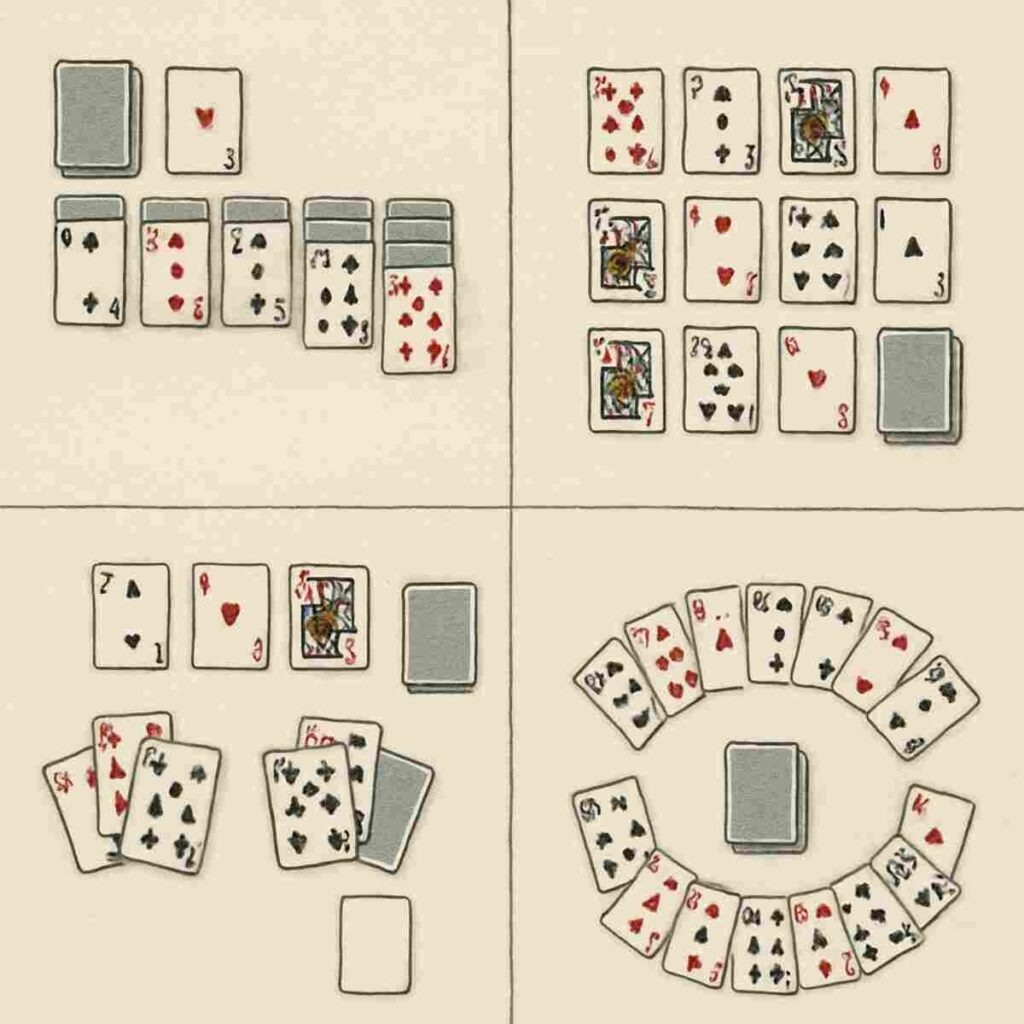
Hey there, card game enthusiasts! If you’re on the hunt for a fun and easy-to-learn family card game, let me introduce you to the world of Sevens. It’s a game that’s all about strategy, quick thinking, and a little bit of luck. Whether you’re looking to engage in a friendly match with family or spice up your game nights with friends, the Sevens card game is a fantastic choice. Let’s dive into the rules and some exciting variations to keep the fun rolling! Check out Alternatif RADEN99 to know more
Sevens, also known as “Fan Tan,” “Dominoes,” or “Parliament,” is a classic card game played with a standard deck of 52 cards. It’s perfect for 3 to 7 players and is loved for its simplicity and engaging gameplay. The objective? Be the first to play all your cards by laying them down in a sequence starting with the sevens.
Historical Origins
Sevens has a rich history, originating from traditional Chinese card games. Over time, it evolved and spread across different cultures, gaining various names and slight rule modifications. Its adaptability is one reason it remains popular today.
Game Popularity
The game’s popularity is due to its simplicity and the minimal resources required — just a standard deck of cards. It’s a staple in many households and offers a great way to introduce children to card games because of its straightforward rules.
Cultural Variations
While the basic rules remain the same, different cultures have added their own twists to Sevens. In some regions, additional cards like Jokers are used, or unique rules are added to increase the game’s complexity. These variations demonstrate the game’s adaptability and widespread appeal.
How to Play Sevens
Setting Up the Game
First things first, shuffle the deck thoroughly. Deal out all the cards to players as evenly as possible. It’s okay if some players have one card more than others. Got your cards? Great! Now, let’s get started.
Preparing the Deck
Before you start dealing, ensure the deck is well-shuffled to prevent any predictable sequences. This ensures a fair distribution of cards, which is crucial for maintaining the game’s excitement and unpredictability.
Deciding on the Starter
Traditionally, the player with the seven of hearts starts the game. However, if you’re introducing house rules, you might decide to start with another suit or even choose the starter randomly. This flexibility allows for fresh starts each game.
Distributing Cards
While dealing, ensure that each player receives an approximately equal number of cards. If the deck doesn’t divide evenly, it’s perfectly acceptable for some players to have one card more. This small variance adds a slight strategic twist to the game.
Basic Gameplay
- Starting the Game: The player with the seven of hearts begins by placing it in the center. If you’re playing with house rules, sometimes the seven of diamonds is the starter — but we’re sticking with hearts here for simplicity.
- Playing Your Cards: After the seven of hearts is played, the turn moves clockwise. Each player must play either a seven or build upon a sequence by adding cards in ascending or descending order of the same suit.
- Building the Sequence: For instance, if the seven of hearts is on the table, you can add the six of hearts or the eight of hearts. Keep the sequences running for each suit.
- Can’t Play? Pass!: If you can’t play a card, you simply pass your turn. No penalties, just wait for your next chance.
- Winning the Game: The first player to get rid of all their cards wins the game. Simple as that!
Sequence Strategy
Building a sequence is where the game’s strategic element shines. Players need to decide whether to extend a sequence or hold back cards to block opponents later. This decision-making process adds depth and keeps players engaged throughout.
Turn Management
It’s essential to stay aware of whose turn it is, as this can influence your strategy. Watching opponents’ moves carefully can help anticipate their next steps and plan your plays accordingly. Being attentive can give you a competitive edge.
Passing Tactics
Passing is not just a passive move; it’s a strategic decision. Sometimes, holding onto a critical card can disrupt an opponent’s strategy or delay their progress. Knowing when to pass strategically can be as crucial as playing the right card.
A Few Tips to Remember
- Hold onto your sevens: These are your wildcards. The more sevens you have, the more control you wield over the game.
- Strategize your sequences: Keep an eye on which suits are filling up fast and plan your moves accordingly.
- Watch your opponents: Pay attention to the cards others are playing to anticipate their next moves.
Wildcard Wonders
Sevens are like gold in this game. Holding onto them until the right moment can allow you to control the flow and potentially block others from progressing. It’s a powerful tool in your arsenal.
Sequence Planning
Observing the flow of the game is crucial. Notice which suits are developing rapidly and which are lagging. This observation helps in timing your plays to optimize your chances of getting rid of cards efficiently.
Opponent Observation
Understanding your opponents’ strategies can give you a significant advantage. Watch their choices and adapt your tactics to counter their moves. This adaptability is a key element in mastering Sevens.
Exciting Variations of Sevens
To keep things fresh, here are a few variations of the Sevens card game that you might want to try:
The Block Sevens
In this version, if a player cannot play a card, they must draw from a separate draw pile. This adds an extra layer of complexity as players may end up with more cards, making it harder to win.
Managing Draw Piles
The introduction of a draw pile changes the game’s dynamics. Players must now consider the risk of drawing additional cards, which can either be a setback or an opportunity depending on the draw.
Increased Complexity
With the possibility of drawing more cards, players need to be more strategic in their plays. This variation adds a level of unpredictability that can make the game more thrilling and challenging.
Adapting Strategies
Players must adapt their strategies to account for the potential increase in their hand size. This may involve more defensive play or focusing on disrupting opponents’ sequences.
The Crazy Sevens
This twist involves using jokers as wild cards, which can represent any card in the deck. It introduces an unpredictable element and can turn the game on its head in a single play!
Joker Utilization
Jokers can be game-changers. Their ability to represent any card can help complete sequences or disrupt opponents’ plans. Knowing when to deploy a joker is a critical strategic decision.
Game Dynamics
With jokers in play, the game becomes less predictable. Players must be ready to adapt quickly to changing conditions, keeping the excitement high and strategies fluid.
Risk and Reward
Using jokers effectively can offer significant advantages, but their presence also means that no lead is ever truly safe. This risk-reward balance keeps players engaged and on their toes.
The Reverse Sevens
In Reverse Sevens, you can play cards in reverse order (e.g., after the seven, you can play either the six or the eight of the same suit). This variation demands a sharper strategy and can lead to unexpected outcomes.
Reverse Play Strategy
Playing in reverse adds a new layer of complexity. Players must think several moves ahead to determine the best way to manage their hand and control the flow of the game.
Strategic Depth
This variation requires players to consider both ascending and descending sequences, adding depth to their planning. The ability to reverse the order opens up new tactical possibilities.
Unexpected Outcomes
With more options for play, the game becomes less predictable, leading to surprising turns and outcomes. This keeps the game exciting and ensures no two games are ever the same.
Why Sevens is the Perfect Family Card Game
Sevens is a brilliant choice for family gatherings or casual get-togethers with friends. Here’s why:
- Easy to Learn: You don’t need to be a card shark to understand the rules. Just a few rounds and you’ll be hooked!
- Inclusive and Fun: With up to 7 players, everyone can join in on the excitement.
- Quick Rounds: Each game is relatively short, making it perfect for those who want a quick game or a series of matches.
- Strategic Yet Relaxed: It offers enough strategy to be engaging but not so much that it becomes stressful. Perfect for winding down after a long day.
Learning Curve
Sevens is beginner-friendly, making it accessible to all ages. The simple rules ensure that everyone, from young children to adults, can quickly grasp how to play and start enjoying the game.
Social Interaction
The game encourages social interaction and communication. Players engage in light-hearted banter and friendly competition, strengthening bonds and creating memorable experiences.
Flexibility and Adaptability
Sevens can be played in various settings and adapted with house rules to suit different preferences. This flexibility ensures it remains a favorite across different groups and occasions.
Balancing Strategy and Fun
While Sevens involves strategy, it remains light-hearted and fun. This balance makes it a perfect choice for those looking to relax and unwind, while still engaging in a mentally stimulating activity.
Final Thoughts
The Sevens card game is a delightful blend of strategy, luck, and fun. It’s the ideal choice for anyone looking to enjoy a card game that’s easy to pick up yet offers endless entertainment. So, grab a deck of cards, gather your friends or family, and dive into the enjoyable world of Sevens. You might find it becomes your new favorite card game!
Building Memories
Games like Sevens are more than just entertainment; they’re a way to create lasting memories with loved ones. The laughter, friendly competition, and shared experiences make each game night special.
Stress-Free Gaming
The beauty of Sevens lies in its simplicity and the lack of pressure. It’s a game where winning is secondary to the joy of playing and spending time with others.
Endless Possibilities
With its various rule adaptations and dynamic gameplay, Sevens offers endless possibilities for enjoyment. Each game is a new adventure, promising excitement and surprises every time you play.
Remember, the best part about games is the laughter and memories shared with others. So, don’t stress too much about winning or losing — just enjoy the ride. Happy playing!