Essential Rules for Playing 99 Card Game
If you’re looking to spice up your card game nights with friends or family, the 99 card game is an excellent choice. It’s simple, fast-paced, and promises endless fun. But before you dive in, you need to understand the essential rules for playing the 99 card game. Don’t worry, I’m here to break it down for you in the most casual and easy-to-understand way. Let’s get started! Check out BOTAK189 to know more
The Deck of Cards
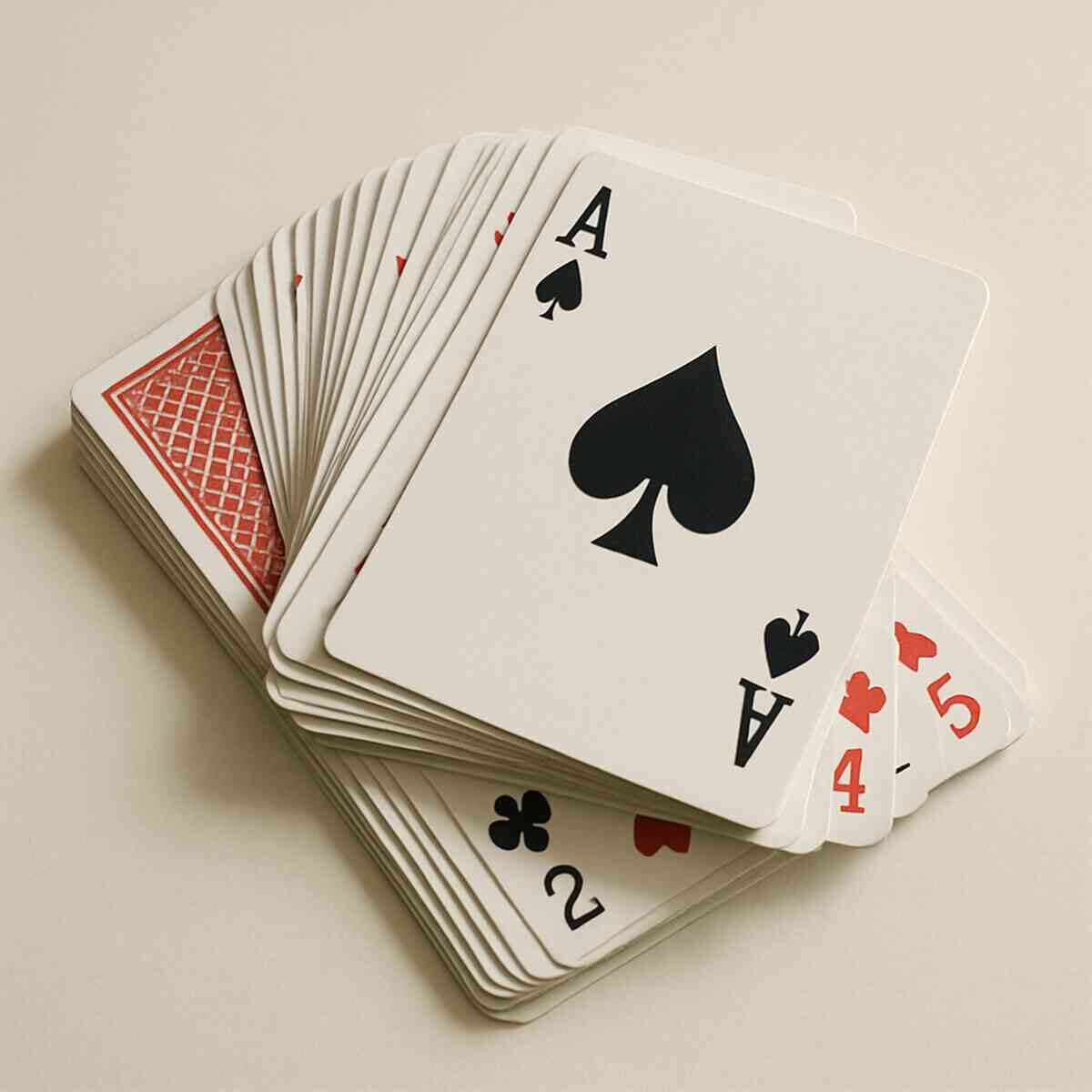
First things first, you’ll need a standard deck of 52 playing cards. Unlike other card games, you won’t need any jokers or additional decks, keeping it straightforward. The deck’s simplicity helps new players jump in without getting overwhelmed by complex rules or too many cards.
Player Count
While the game can technically be played with just two people, it’s best enjoyed with three or more players. More players mean more strategies and unpredictability, which enhances the fun. Plus, having a larger group can lead to more lively discussions and banter, adding to the overall enjoyment.
Betting Tokens
Grab some poker chips, coins, or anything you can use as tokens for betting, because that’s going to add an extra layer of excitement to your game night. These tokens are crucial as they represent your stake in the game and can create a competitive atmosphere. Remember, the more tokens you have, the longer you can stay in the game!
Objective of the Game
The Main Goal
The goal of the 99 card game is pretty straightforward: avoid being the player who causes the pile of cards to total more than 99. Sounds easy, right? Well, as you’ll see, it can get tricky! Keeping the total under 99 requires strategic thinking, as you’ll need to plan your moves while anticipating your opponents’ actions.
Strategic Complexity
While the objective may be simple, the strategies involved are anything but. You’ll need to decide when to play your high-value cards and when to hold back. Additionally, reading other players and predicting their moves can give you a significant advantage.
Risk and Reward
Part of the fun is balancing risk and reward. Should you play it safe or take a gamble? The decision can make or break your game. Understanding when to take risks and when to play conservatively is key to mastering 99.
Getting Started
Setting Up
Deal the Cards
Shuffle your deck thoroughly and deal three cards to each player. The remaining deck is placed face down in the center, becoming the draw pile. This initial setup is crucial as it sets the stage for the game, ensuring everyone has an equal chance from the start.
Starting the Pot
Each player antes up one token to the pot. This adds a bit of friendly competition to the game! The pot serves as both a motivator and a reward, pushing players to strategize and compete for the collective tokens.
Establishing the Order of Play
Decide the order of play, which can be done by drawing cards—the highest card goes first. Establishing order is important as it dictates the flow of the game and can influence your strategy.
Gameplay Basics
Taking Turns
Players take turns playing one card from their hand and adding its value to the running total. This simple mechanic keeps the game moving quickly and ensures everyone stays engaged. The quick pace requires players to think on their feet and adapt to the evolving situation.
Drawing a Card
After playing a card, immediately draw a new one from the deck so you always have three cards in your hand. This ensures that everyone has options and can plan their next move effectively. The constant replenishment of cards keeps the game dynamic and unpredictable.
Communication and Bluffing
Players can communicate and bluff, adding layers of strategy. While not a formal rule, this aspect can make the game more interesting and challenging as players try to deceive one another.
Card Values and Special Cards
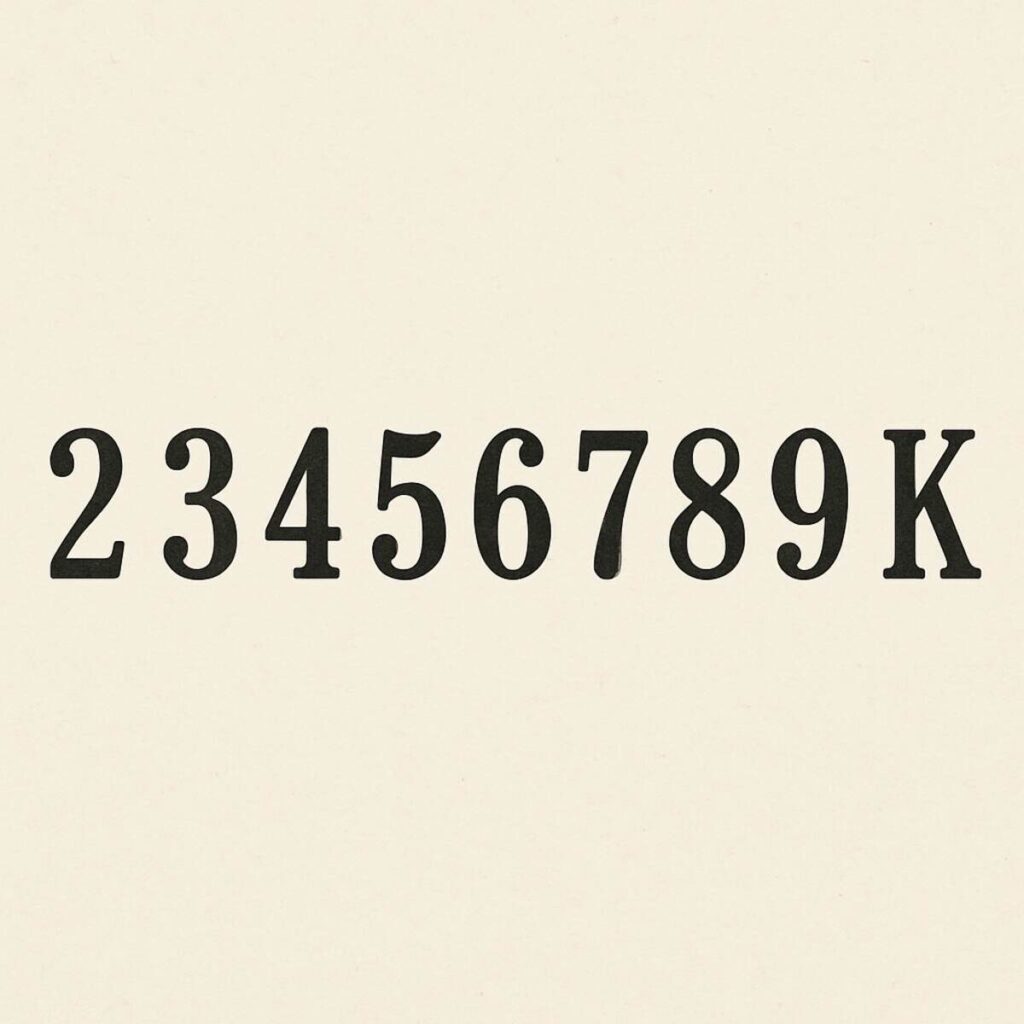
Here’s where it gets interesting! Not all cards are valued at their face value.
Number Cards (2-10)
Basic Values
Each card has its face value (e.g., 2 of Hearts = 2 points). These straightforward values form the backbone of the game, allowing for consistent and predictable plays.
Strategic Use
While basic, these cards can still play a pivotal role. They can help you slowly build the total without overshooting or serve as a safe option when you’re unsure of your opponents’ strategies.
Combining with Specials
Pairing number cards with special cards can create powerful combos, allowing you to manipulate the total to your advantage.
Face Cards
King
Adds zero to the total. A perfect card to strategically stall the game. Using a King can give you a moment to breathe and reassess your strategy, especially when the total is getting dangerously high.
Queen
Adds 10 to the total. Queens can quickly escalate the total, putting pressure on the next player. They’re a powerful tool for pushing the game towards an endgame scenario where strategic plays are crucial.
Jack
Subtracts 10 from the total. Ideal for backtracking if the total gets too high. Jacks can be lifesavers, allowing you to pull back from the brink of losing and giving you more time to plan your next move.
Aces
Flexible Value
Ace can be worth either 1 or 11, depending on what’s more advantageous for you at the moment. This flexibility allows for strategic depth, letting you adapt to changing game conditions.
Timing Your Play
The timing of your Ace play can be critical, potentially turning the tide of the game. Using it at the right moment can save you from losing or propel you towards victory.
Creating Opportunities
Aces can be used to create opportunities for aggressive or defensive plays, making them one of the most versatile cards in the game.
Other Cards
The 10 Card
Adds or subtracts 10. It’s your choice! This flexibility can be a game-changer. The ability to either increase or decrease the total makes the 10 card a powerful strategic tool.
Versatile Applications
Whether you’re trying to push the total closer to 99 or pull it back, the 10 card can serve multiple purposes. It’s especially useful in tight situations where every point counts.
Psychological Impact
Playing a 10 card can also have a psychological impact on your opponents, making them second-guess their strategies and plays.
Playing the Game
Building the Total
Play a Card
Place a card from your hand into the center and announce the new total. This simple action is the core mechanic of the game, driving the pace and flow. The announcement also keeps everyone informed and engaged.
Draw a Card
Pick a new card from the draw pile to maintain a hand of three cards. This constant replenishment ensures that everyone has options and can adapt their strategy as the game progresses.
Maintaining Balance
Keeping the total balanced is key. Avoid letting it get too high too quickly, as it can limit your options later in the game.
Strategy Tips
Watch the Total
Keep an eye on the current total and plan your moves. Try to predict what others might play. This foresight can give you a significant advantage, allowing you to stay one step ahead of your opponents.
Use Special Cards Wisely
Kings and Jacks can be lifesavers when the total is dangerously close to 99. Knowing when and how to use these cards can be the difference between winning and losing.
Reading Opponents
Pay attention to your opponents’ body language and playing habits. This can provide valuable insights into their strategies and help you anticipate their moves.
Ending a Round
Busting the Total
If you play a card that makes the total exceed 99, you lose the round and must pay a penalty token into the pot. This penalty adds a layer of risk to every play, making the game more thrilling.
Last Player Standing
If you can’t play without going over 99, you’re out of the round. The last player standing wins the pot! This elimination aspect keeps the tension high and encourages strategic thinking.
Preparing for the Next Round
After a round ends, regroup, and reassess your strategy for the next one. Each round offers new opportunities to adjust your approach and learn from past mistakes.
Winning the Game
Round Completion
The game continues in rounds until a predetermined number of rounds are completed, or when players decide to stop. Setting a round limit can help manage game length and ensure everyone remains engaged.
Counting Tokens
The player with the most tokens at the end of the game is declared the winner. Simple as that! Tokens serve as a tangible measure of success, rewarding strategic play and risk management.
Declaring the Winner
Celebrate the winner with a small prize or recognition. This acknowledgment adds to the fun and incentivizes players to give their best effort.
Variations and House Rules
Reverse Play
Use a specific card to reverse the direction of play. This variation adds an extra layer of strategy as players must adapt to changing play order.
Double Trouble
If two identical cards are played in succession, the next player must draw an extra card. This rule can create unexpected twists and increase the unpredictability of the game.
Wildcard
Assign a wildcard that can be played as any card value. Wildcards introduce new strategic possibilities and can be used to turn the tide of the game in your favor.
Custom Rules
Feel free to create your own house rules to keep the game fresh and exciting. Custom rules allow you to tailor the game to your group’s preferences and make each session unique.
Conclusion
The 99 card game is a fantastic way to bring friends and family together for a fun and engaging time. Its simplicity allows anyone to pick it up quickly, while the strategic elements keep everyone on their toes. Remember, the key to mastering the game is understanding the value of each card and knowing when to play them. So grab a deck, gather your friends, and let the game begin!
Happy playing, and may the best strategist win!