
Top Strategies for Winning at Cheat
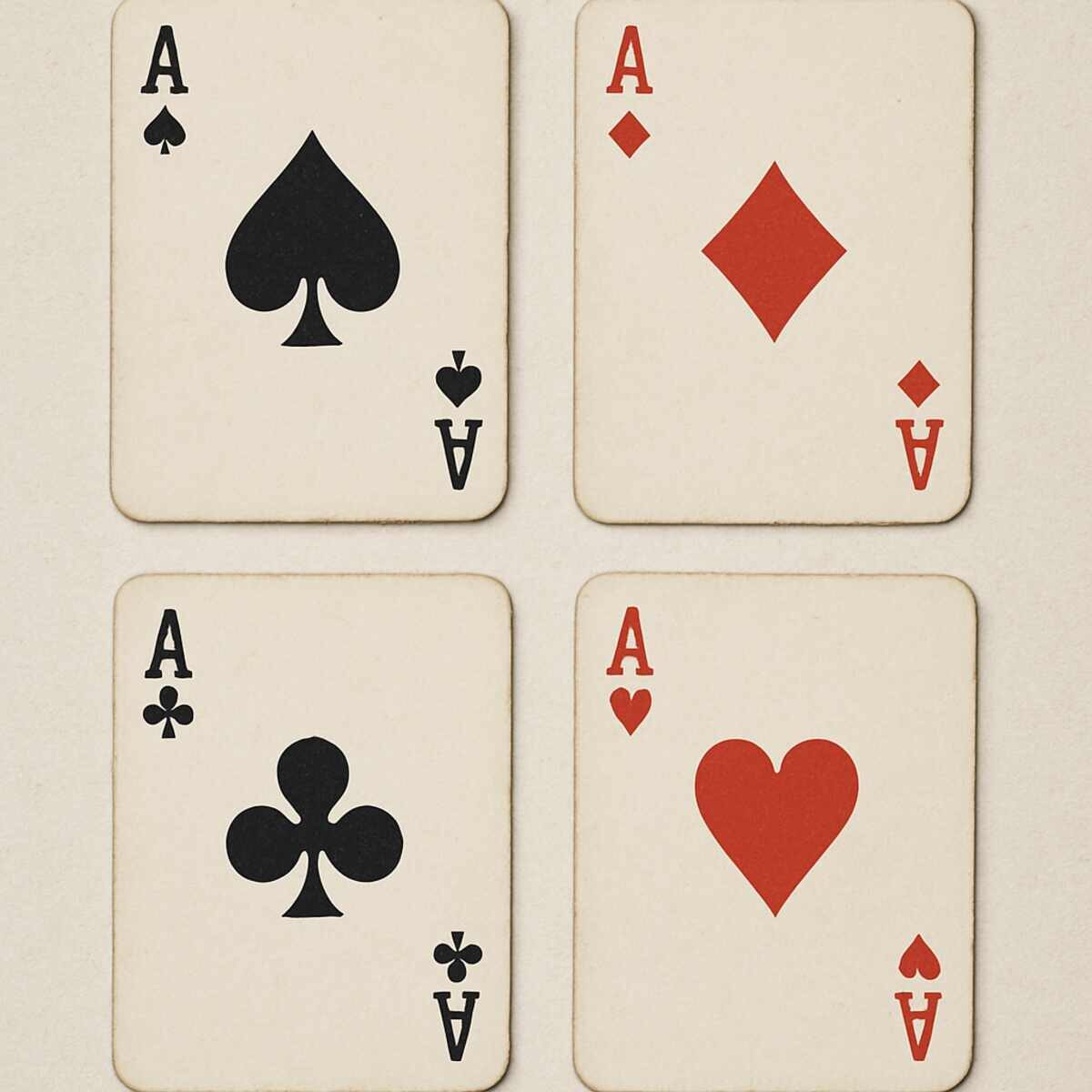
Playing cards isn’t just about luck—it’s also about strategy, especially when it comes to a game like Cheat. If you’re looking for ways to up your game and outsmart your friends, you’ve come to the right place. Whether you’re new to the game or a seasoned player looking to refine your skills, this guide will walk you through the top strategies for winning at Cheat. To find more, check on Login BORNEO189
Before we dive into the strategies, let’s quickly recap the basics of the Cheat card game. Cheat, also known as “I Doubt It” or “Bluff,” is a game where the objective is to get rid of all your cards by playing them face down and declaring them as a certain rank. The twist? You can lie about what you’re playing, but your opponents can call you out by shouting “Cheat!” If they catch you lying, you have to pick up the pile; if they’re wrong, they pick up the pile.
Setting Up the Game
To start, you need a standard deck of 52 cards. The number of players can range from 3 to 10, but 4-6 players is ideal for keeping the game engaging and competitive. Shuffle the deck thoroughly and deal all the cards to the players. Don’t worry if some players have one more card than others—this is normal. Ensuring everyone starts with a similar number of cards keeps the game fair and unpredictable, setting the stage for strategic play.
Basic Rules and Objectives
Understanding the core rules is crucial to navigating the complexities of Cheat. The goal is simple: get rid of your cards as fast as possible. Each player, in turn, places cards face down and declares them to be of a certain rank. The challenge lies in deciding when to tell the truth and when to bluff. This delicate balance between honesty and deceit makes the game thrilling and unpredictable.
Variations of Cheat
Like many card games, Cheat has several variations that can alter gameplay dynamics. Some versions allow for multiple decks, which can increase the game’s complexity and length. Others might introduce special rules, like wildcards or penalties for certain actions. Understanding these variations can help you adapt quickly and keep your opponents guessing, providing you with an edge.
Mastering the Art of Deception
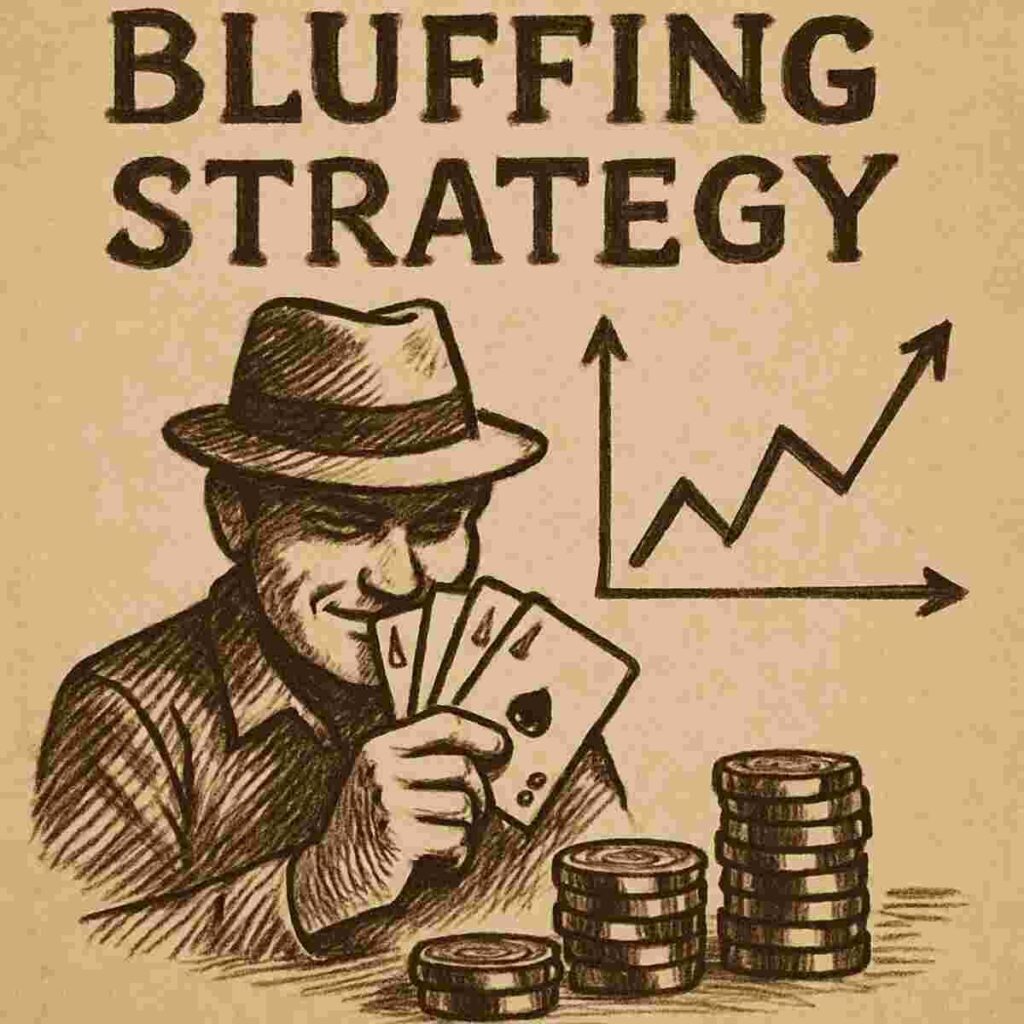
Cheat is all about bluffing, so mastering the art of deception is crucial. Here are a few tips to help you bluff like a pro:
Keep a Straight Face
Your facial expressions can give away a lot about your intentions. Practice maintaining a neutral expression, no matter what cards you’re playing. This will make it harder for opponents to read you and call your bluff. The ability to mask your emotions is an invaluable skill, not just in Cheat, but in any card game that involves deception.
Mix Truth with Lies
A successful strategy is to mix truthful plays with deceptive ones. For instance, if you have two Aces and two Threes, you might declare “two Threes” truthfully one round and then fib about having “two Fours” in the next. This keeps your opponents guessing and makes it harder for them to catch you in a lie. By interspersing truth and deception, you create an unpredictable pattern that is difficult for opponents to decipher.
Use Your Voice
The way you declare your cards can influence your opponents’ perceptions. Try varying your tone—sometimes assertive, other times hesitant—to keep your opponents on their toes. A confident declaration might make your opponents second-guess themselves, while a hesitant one could mask a true play as a bluff. Mastering vocal cues can give you a psychological edge over your competition.
Observing Opponents’ Reactions
Being observant is as crucial as being deceptive. Pay attention to how your opponents react to your plays. Do they seem suspicious or relaxed? Noticing these subtle cues can help you adjust your strategy on the fly, ensuring that your bluffs remain undetected and effective.
Developing a Personal Style
Every player has a unique style of play, and developing your own can make your bluffs more convincing. Whether you’re more aggressive or conservative, playing consistently within your style can make your bluffs more believable. This consistency can make it harder for opponents to determine when you’re being truthful or deceitful.
Developing a Keen Eye for Opponents’ Bluffs
While mastering your bluffing skills is essential, it’s equally important to detect your opponents’ bluffs. Here’s how you can become a better detector:
Pay Attention to Patterns
People often fall into patterns without realizing it. Keep an eye out for players who always declare the same rank or seem nervous every time they bluff. These patterns can be your cue to call them out. By identifying these patterns, you can make more informed decisions about when to challenge a play and when to hold back.
Watch for Nervous Habits
Some players have telltale signs when they’re bluffing, like fidgeting, avoiding eye contact, or a change in their voice pitch. Learn to recognize these signs, and you’ll have a better chance at calling their bluff successfully. Observing body language can be just as important as listening to what your opponents are saying, providing you with an additional layer of insight.
Trust Your Instincts
Sometimes, your gut feeling is your best guide. If something doesn’t feel right about a play, don’t hesitate to call “Cheat!” Trusting your instincts can often lead to revealing a bluff. Over time, you’ll develop a sense of intuition that can help you make split-second decisions with confidence.
Analyzing Opponents’ Strategies
Each player has their own unique approach to the game, and understanding these strategies can give you a competitive edge. Are they aggressive, frequently calling out bluffs? Or do they play it safe, rarely challenging others? By analyzing their strategies, you can tailor your approach to counteract their tactics effectively.
Adapting to Different Playing Styles
Recognizing the diverse playing styles at the table is crucial for staying ahead. Some players are bold and daring, while others are cautious and calculating. Adapting your strategy to align with or counter these styles can help you maintain control over the game’s tempo, ensuring that your opponents are always on the defensive.
Strategic Card Management
Managing your hand strategically is another key aspect of winning at Cheat. Here’s what you need to know:
Plan Your Plays
Consider which cards you want to get rid of first. It’s often a good idea to discard high-value cards early on, as they’re harder to get rid of and easier for opponents to challenge. By planning your plays, you can streamline your strategy, making it more difficult for opponents to predict your next move.
Keep Track of Cards
Try to remember what cards have been played. This can help you figure out which cards are still in play and make more informed decisions about when to bluff or call out an opponent. Being aware of the card flow allows you to anticipate potential bluffs and adjust your strategy accordingly.
Be Adaptable
As the game progresses, you may need to adapt your strategy based on the cards you have left and how your opponents are playing. Flexibility is key to staying ahead. If you notice a shift in opponents’ strategies, being adaptable ensures you can respond effectively, maintaining your competitive edge.
Balancing Aggression and Caution
Finding the right balance between aggressive and cautious play is crucial in Cheat. Being too aggressive can make you predictable, while excessive caution can prevent you from capitalizing on opportunities. Striking the right balance ensures you’re challenging opponents effectively while managing your own hand wisely.
Timing Your Plays
Knowing when to play certain cards can be the difference between success and failure. Timing your plays to coincide with your opponents’ weaknesses can maximize your advantage. Whether it’s playing a bluff when they’re least expecting it or holding back until the right moment, timing is everything in Cheat.
Practicing Ethical Gameplay
Remember, while Cheat is a game of deception, it’s also about having fun and respecting your fellow players. Here are some tips for maintaining ethical gameplay:
Be Honest When Caught
If you’re called out and caught bluffing, own up to it gracefully. It’s all part of the game. Acknowledging your mistakes with sportsmanship fosters a positive atmosphere and encourages others to play fair.
Respect Others
Avoid being overly aggressive when calling out opponents. Keep the atmosphere light-hearted and enjoyable for everyone. Respectful gameplay not only makes the game more enjoyable but also enhances the camaraderie among players.
Play Fair
Stick to the rules and avoid cheating outside the context of the game. The challenge is in the bluff, not in breaking the rules. Playing fair ensures the game remains competitive and fun, allowing everyone to enjoy the experience.
Encouraging Positive Interactions
Cheat is as much about social interaction as it is about strategy. Encouraging positive interactions helps build rapport among players, making the game more enjoyable and fostering a sense of community.
Celebrating Successes and Failures
Whether you win or lose, celebrating the game’s highs and lows creates a more inclusive and engaging experience. Acknowledging both successes and failures with good humor ensures that everyone leaves the table with a smile, eager to play again.
Final Thoughts
Cheat is an exciting and dynamic card game that combines strategy, deception, and a bit of luck. By mastering the art of bluffing, honing your skills in detecting opponents’ bluffs, and managing your cards wisely, you can increase your chances of winning. Remember, practice makes perfect, so gather your friends, shuffle the deck, and have fun playing Cheat! With each game, you’ll improve your skills and develop strategies that keep your opponents guessing, ensuring that every round is as thrilling as the last.